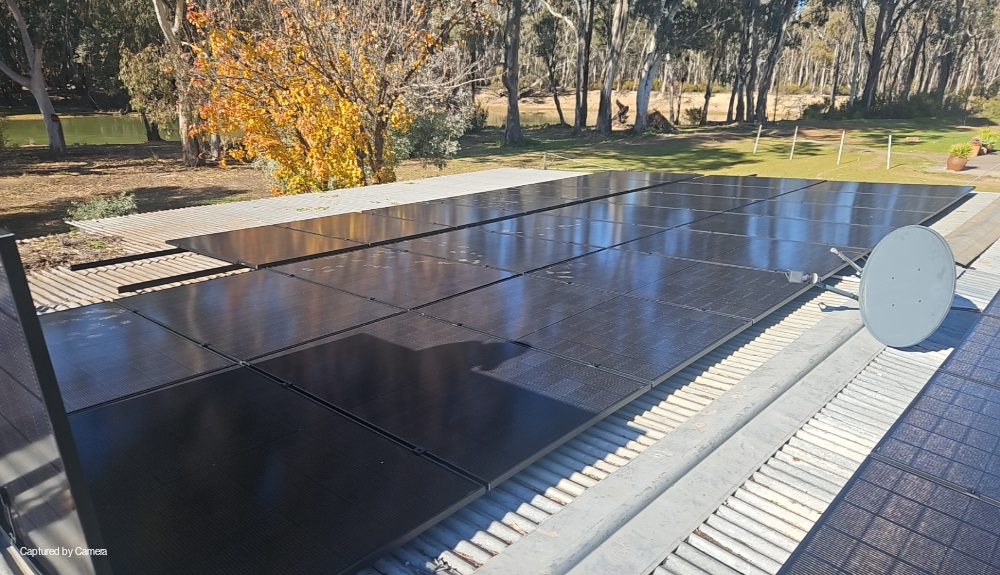
Summer often pushes solar systems to their limits, especially in rural areas where farms rely heavily on solar to run tools, cool homes, drive water pumps, and keep workshops going. During long, hot days, energy demand climbs fast, yet solar systems frequently slow down just when they’re needed most.
If you're using solar power for farms, this mismatch can be frustrating. Systems that work smoothly in spring or autumn suddenly lag in summer. You may notice batteries draining faster, inverters running hot, and panels not delivering the charge you were expecting. This isn’t always a fault in your equipment. It's usually a sign your system wasn’t set up for the demands of Australian summer on a working farm.
We'll walk through what causes summer pressure on solar, why high demand and heat are a tough mix, and what to do if your setup isn’t carrying the load.
When Summer Loads Spike, Solar Systems Strain
Farm energy use doesn’t stay steady all day. In summer, it spikes in a few predictable ways.
• Water pumping often kicks off early and again in the late afternoon
• Coolers, fans, and aircon have to run longer to keep sheds and homes bearable
• Workshops stay active during daylight hours, adding tools into the mix
• Households use more energy for cooking, cooling, and electronics in hot evenings
And while the sun is at its strongest, your panels may not be at their most efficient anymore. When all this usage overlaps, your system takes a hit. In many cases, the original design was meant for average use, not peak summer surges.
The trouble is, these peak days aren’t rare. Between December and February, it’s common to run into 40°C heat or sticky humid stretches, both of which push your system harder while slowing down production.
Why Heat Reduces Solar Performance
It’s easy to think more sun means more solar, but heat actually chips away at how well your panels perform. Panels are built and tested at around 25°C. On a northern-facing roof in high summer, the surface can easily soar to 60°C or more. At this point, each degree of extra heat starts pulling power output down.
It’s not just heat, either. Dust from roads, smoke from hazard reduction burns, and even general grime can cloud your panels and block light. If you don't have regular cleaning in place, your energy drop isn’t only about temperature.
Behind the panels, inverters are silently doing the hard work of converting all that solar power into usable electricity. But if an inverter gets too warm, it may throttle itself to stay safe or shut off temporarily. That means low solar just when power demand is highest.
What Happens When Solar Can’t Cover Summer Loads?
When generation falls short and usage stays up, most properties fall back on the grid or switch to a generator. That might keep the lights on, but it can feel like taking a step backward, especially if your goal is long-term independence.
Other flow-on effects include:
• Pumps failing to start or shutting down halfway through cycles
• Power tools stalling or drawing too much current
• Batteries draining too deep overnight and not recovering by morning
• Appliances drawing from backup power earlier in the day
If this sounds familiar, you’re not alone. Many systems are built around average days, not tested against the worst. And those “worst” days are becoming more normal as summer gets longer and hotter across most of Australia.
How Off-Grid Planning Solves Peak Strain
The answer often isn’t just swapping gear or adding another panel. It takes a shift in how solar systems are planned. Instead of matching an average daily load, we need to think about true peak use and build from there.
That might look like:
• Bigger or better batteries that can last through long stretches without full recharge
• Replacing undersized inverters that can’t keep up with tool loads or water system surges
• Splitting solar banks to provide morning, mid-day, and late-afternoon coverage
• Spreading critical tasks into overnight hours when battery use can be more focused
We’ve seen how solar-only systems meant for mild seasons fall short in the heat. Preparing for summer means planning like summer is the standard, not the extreme.
Many farms across Australia benefit from specialised off-grid solar systems engineered for these challenges, such as those designed and installed by AusPac Solar. We offer both fixed and portable solar solutions tailored for rural and remote environments, with system configurations that meet the unique demands of agricultural properties.
FAQ: Common Summer Solar Load Questions
Q: Why does my system work fine in spring but struggle in summer?
A: Summer brings longer use days, much hotter temperatures, and overlapping farm and home energy needs. These combined demands are often higher than your system was initially designed to handle.
Q: Can batteries alone fix my summer power issues?
A: No, not on their own. Batteries help buffer some problems but need strong enough generation and smart load management behind them. If your panels and inverter are already lagging, more batteries won’t fix the bottleneck.
Q: Should I add more panels or improve my system design?
A: Possibly both. Adding panels can help, but not if the inverter or wiring can’t handle extra input. A proper review of your whole setup will uncover whether you need expansion, reconfiguration, or both.
Q: How do I protect my solar system during long summer heatwaves?
A: Keep panels clean, install in shaded areas where possible, and make sure there is airflow around inverters. Monitoring your loads and spacing out high-usage tasks will reduce the risk of shutdowns or heavy overuse.
Building a Reliable Farm Solar Solution for Australian Summers
Farms cannot pause operations when a solar system underperforms. Critical processes like irrigation, livestock care, and workshop tools all depend on reliable power every day. Working with experienced solar designers, like our team at AusPac Solar, which has over 15 years in rural and remote energy systems, gives you access to site-specific advice and custom solar solutions built to handle demanding Australian conditions.
Summer tests the limits of every farm’s energy setup. Solving these challenges means focusing on sound system design, ongoing maintenance, and seasonal planning to keep your property running efficiently, even through heatwaves and blackouts.
When your current setup struggles to keep pace during the hottest months, it’s time for a solution designed for real summer demands. We help property owners plan for seasons, not averages, with systems built for early-morning water pumps and late-night workshop tools alike. For those seeking full energy independence, see how you can take control with dependable solar power for farms. At AusPac Solar, we design off-grid systems that fit the way you live. Give us a call and let’s get your property ready before the next summer strain arrives.