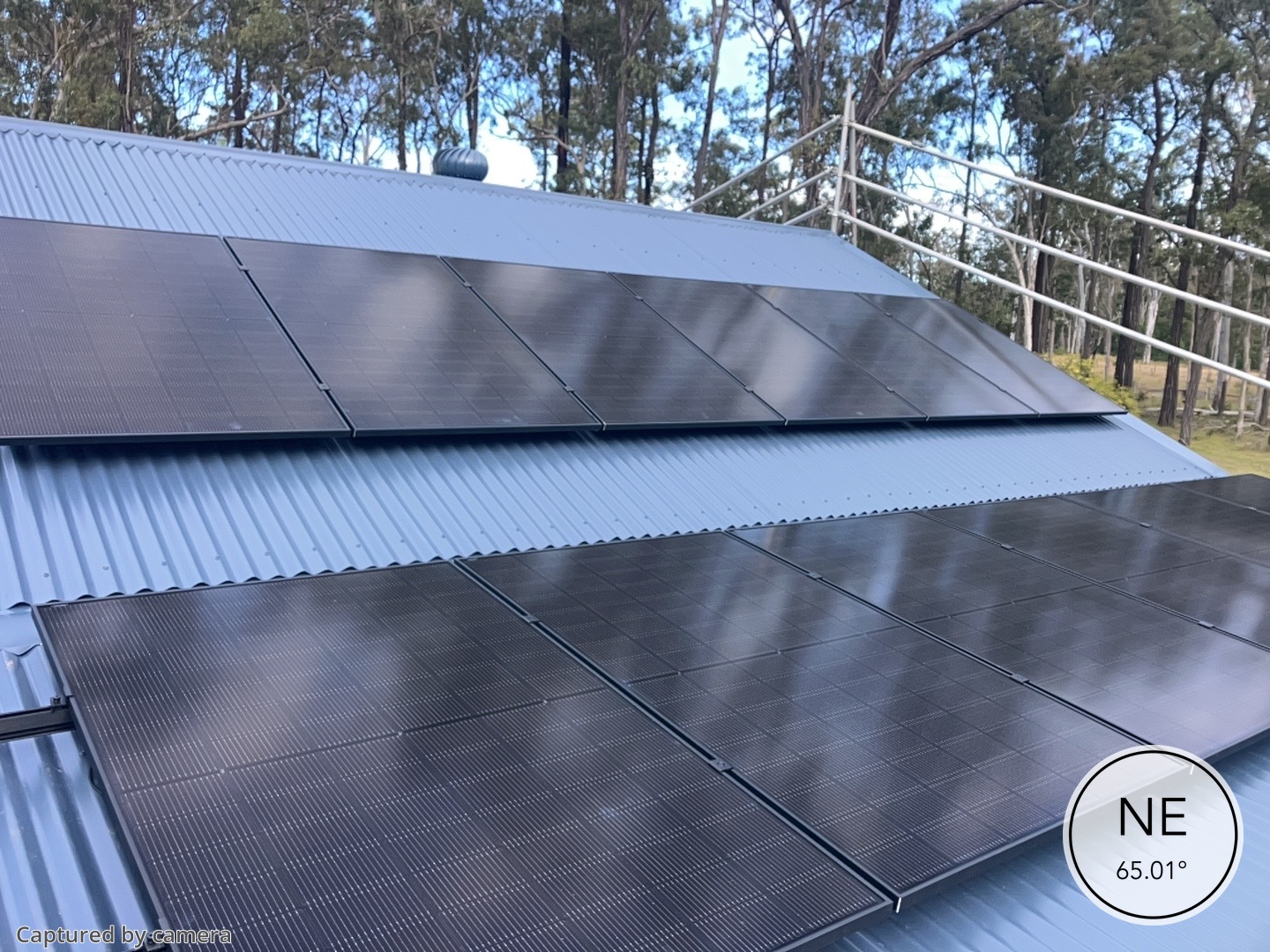
Going off-grid is about more than generating your own energy. It’s about knowing your farm inside out, and making sure your power needs can be met without relying on the grid. Plenty of people take small steps first, a few panels on the shed, a battery, maybe a generator for storms. But full independence requires a bigger plan.
If you’re thinking seriously about going off-grid, don’t wait until summer hits hard or storms knock out power again. This is the right time of year to take stock of your energy use, your goals, and your land. By doing that now, you’ll find out whether solar power for farms is the next move, or whether you’ve got a few things to sort first. Here’s how to assess where you stand.
Are You Over-Relying on the Grid Right Now?
Start by looking at where your current setup falls short. A farm might have some solar panels and an inverter, but the real question is whether you can keep going when the weather turns or usage peaks.
Ask yourself:
- Are you still using the grid during hot spells because your battery runs flat by mid-afternoon?
- Does your generator kick in every time you run your welder or bore pump?
- Have you noticed regular circuit trips when trying to run your cool room and irrigation at the same time?
Some setups work well until the load picks up. That’s often around harvest when fans, pumps, and freezers are running longer. Or in winter, when there’s less sun to keep the battery charged and more need for heating or water pumping. If the grid is still doing the heavy lifting, it’s a sign your system isn’t ready to stand alone yet.
Have You Done a Full Load Review and System Check?
It’s easy to forget how much your energy use has grown. Maybe you’ve added another fridge, swapped out gas hot water, or taken the office online full time. These changes slowly chip away at spare power capacity until you're back relying on the grid, and paying more than you want to.
Do a full walk-through:
- Add up current electricity use across your house, sheds, office and external systems.
- Check if battery storage is draining earlier than it used to, especially on cloudy days.
- Look for signs of pressure, like inverters hitting their cap too often, or panels underperforming due to shade or dirt.
A full system check can uncover wear and tear you might miss. A battery that once lasted the full night may now dip early. An inverter installed years ago might be too small for today’s demand. These signs help you decide whether minor tweaks will do, or whether it’s time to start again with something bigger. Regular solar maintenance can keep your system running smoothly and help spot small issues before they grow.
Is Your Property Suitable for Complete Energy Independence?
Off-grid isn’t just about gear. Your property needs to physically support a full system. That means having the right space, conditions, and setup to collect and store enough energy every day.
Things to assess:
- Sun access across the year, not just during summer – are your roof and yard free from tall trees and outbuildings that throw shade?
- Suitable room for extra panels or battery setups, either near your home or in a central mechanical space.
- Room to install extra storage or back-up generator without major structural changes.
Your gear also has to sit within a safe, compliant system. That includes proper wiring, weatherproof installations, and easy access for upgrades in future. If your setup isn’t there yet, start with what can be changed now: clearing space, reviewing roof use, setting aside a spot for battery storage, or upgrading switchboards when needed. Taking advantage of any current support, such as a battery rebate for off-grid living, can also make a big difference to your budget early on.
Are You Mentally and Practically Prepared to Be Fully Off-Grid?
System readiness aside, it’s worth being honest about your level of commitment. Going off-grid isn’t harder, but it’s different.
Ask yourself:
- Are you comfortable pacing your energy use during overcast weeks or after big tool days?
- Do you feel confident identifying when your battery needs checking or your panels need cleaning?
- Will ongoing maintenance be welcomed or become another task in a packed life?
Being off-grid means thinking ahead. It won’t interrupt your day, but it does reward people who notice patterns and make small adjustments. Lifestyle plays a role too. If your current weekend includes two air cons, four fridges and power tools, you'd want to check how that matches up with your energy collection and storage.
It’s not about suffering to prove a point. It’s about choosing systems that keep your standard of living and peace of mind in balance.
How Soon Should You Plan Your Transition?
Getting off-grid doesn’t happen in a few weeks. You want to scope ahead so you’re not updating things in a rush or getting hit by delayed installs during summer.
Start laying plans now:
- Talk over your goals for the next 6 to 12 months. Are you aiming for full off-grid in one go, or updating key parts step by step?
- Look at your budget across seasons. Doing upgrades bit by bit often makes more sense than waiting to pay all at once.
- Set transition times that avoid peak summer or storm risks. Early summer lets your system settle before the pressure starts.
The most reliable systems come from early thinking. That means giving yourself the time to learn, weigh options, and make calm choices. Not everything has to change straight away. But starting now helps you work with the seasons, not against them. Choosing providers with proper credentials can streamline the process, too, why solar accreditation matters becomes clear when installations get complex.
FAQs: Deciding If Your Farm Can Go Off-Grid
Q: Do I need to replace my whole solar system to go off-grid?
A: Not always. Existing panels or cabling might stay, but often the inverter and battery setup need to change. An expert review will tell you what’s usable.
Q: Can a generator still be part of an off-grid system?
A: Yes, having a generator as backup is common. But it should only run occasionally, not as a daily part of your system.
Q: How long does it take to fully switch to off-grid?
A: It depends on property layout, equipment supplies and weather. Starting at least a season earlier avoids delays and stress.
Q: Is summer or winter better for making the transition?
A: Early autumn or late spring work best. You'll avoid peak strain and let the system run under mild conditions before you rely on it fully.
Ready Means Reliable: Know Before You Cut the Cord
Going off-grid isn’t about doing something once and hoping it works. It’s about building a setup that fits your farm’s needs now and into the future. You don’t want surprises when the heat spikes or clouds roll in. You want a system that carries you through.
By checking how much you still lean on the grid, testing the limits of your gear, and knowing your daily rhythms, you can set yourself up properly. Solar power for farms works best when each part plays its role. And when those roles are clear from the start, peace of mind follows.
Energy independence starts with a setup that suits your land, lifestyle and location. At AusPac Solar, we build reliable systems that keep your home or property running when the grid goes down, so the next blackout doesn't catch you guessing. Take the next step with a solution built for solar power for farms and see just how capable off-grid living can be year-round.