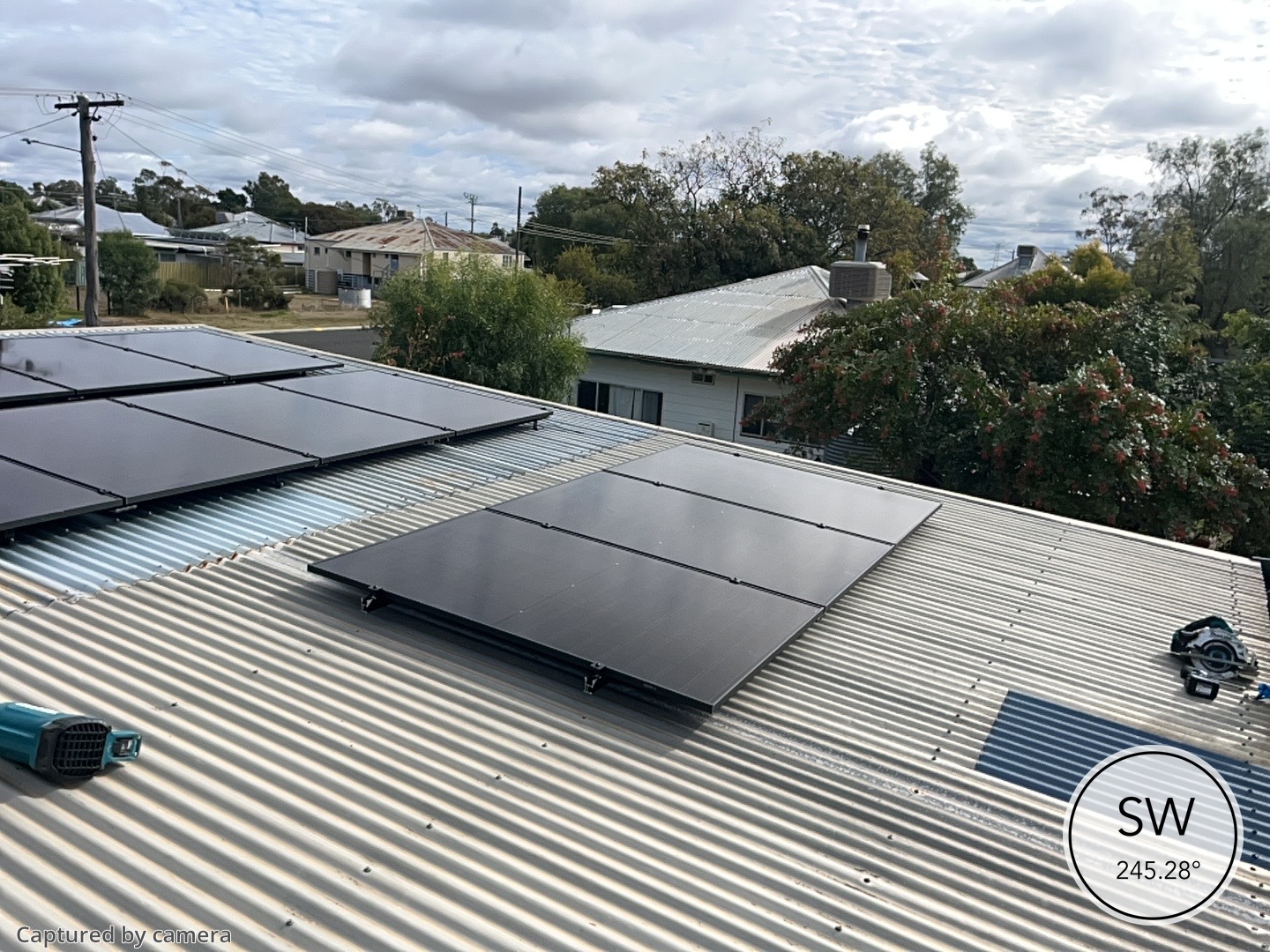
Thinking ahead to next year’s solar needs might not be high on the list during summer heat, but this is exactly when it pays to start. Panels are working at full stretch, and your usage is likely peaking. If you’re relying on solar now or considering expanding, it’s a smart time to ask the tough questions. Will your system hold up through another heatwave? Can you run what you need without firing up the generator?
For rural properties using solar power for farms, timely planning avoids last-minute changes, downtime or surprise bills. Late December gives you a snapshot of how things are tracking and enough runway to fix what needs fixing before autumn kicks in. So before next year rolls in, here’s what you should be checking today.
How do I know if my current solar setup will meet next year’s needs?
Start by looking back. Did your system manage well during last summer’s high loads, storm outages or long cloudy runs? If power cuts were common or if your batteries often dipped too low overnight, that’s worth noting.
You’ll want to pinpoint issues like:
- Over-reliance on your generator, especially during back-to-back hot days
- Poor battery recovery overnight, leaving you underpowered in the morning
- Dropouts in parts of the system when irrigation, refrigeration or workshop tools combined
Also think forward. Planning to expand your veggie plots or bring in more poultry? Adding water pumps or cold storage for next season? Every new appliance, pump or livestock system changes the maths. Unexpected stress comes not from the new gear, but from assuming what worked this year will carry you through the next.
If you manage livestock, this could be a good time to learn more about powering cattle farms with off-grid solar efficiently across changing conditions.
When should I start planning and why does timing matter?
December gives you a pretty blunt picture of system stress. Keeping an eye on things now lets you make decisions before the rest of summer pushes gear further. Waiting till March can leave you short on time, and booking a qualified installer will take longer the closer you get to autumn.
Planning now means:
- System checks happen during the toughest conditions
- Parts and equipment can be ordered before demand spikes again
- Upgrades can be installed and tested by late summer or early autumn
You’re not only buying yourself peace of mind, you’re giving the setup time to stabilise before winter’s shorter days kick in. Think of summer not as the end, but as the moment to prepare for the next peak.
What upgrades might be needed beyond just adding panels?
We often hear from folks who think more panels are the answer. But often, panels are producing just fine, it’s other points in the system creating the bottleneck.
Three common blind spots:
- Undersized or outdated inverters struggling to manage combined demand
- Storage that maxes out too early in the day, wasting good daytime production
- Poor layout or shading affecting panel performance at different times of day
If your panels are working hard, but batteries hit full mid-morning then drain out by dusk, adding more generation on its own won’t help. You may need better storage, smarter charge control or peripheral upgrades, not just more rooftop space.
Shading, tilt angle and orientation also play a hidden part. If one row is underperforming for an hour or two each day, the overall system takes a hit, and that adds up over a year.
Should I upgrade now, even if the system isn’t showing problems yet?
If your setup hasn’t let you down outright, great. But waiting for a failure before making changes is what leaves people scrambling mid-summer or during autumn storms.
Some signs it’s time to take the next step:
- Generator cuts in more often than planned
- Household or shed circuits occasionally trip under load
- You’ve added machinery, water systems or new tools since your last setup check
A system that seems “fine” through spring can come apart during back-to-back heat events. And if your lifestyle relies more heavily on stored power now than it did a year ago, it’s better to adjust before there’s a real gap.
Even a half-day workshop or partial crop watering issue can derail your routine. Better to fix it with time on your side, not when you're already stretched.
If you’re unsure, consider booking solar maintenance services so a technician can inspect and confirm your system’s current health.
Where does solar power for farms offer the biggest long-term wins?
For off-grid and semi-off-grid farm properties, the long term rewards come from building stability across seasons. Solar isn’t just about saving money in the short term. Done right, it means real independence from rising tariffs, grid outages, service faults and diesel top-ups.
The most useful solar setups:
- Handle both irrigation and cold storage smoothly across summer
- Keep power available even on cloudy or stormy days in winter
- Recharge reliably, so evening use never depends on a backup generator
Solar needs on a small acreage can change fast. Whether you’re running gate motors, electric fencing, or even satellite comms for remote work, power loss isn’t just an inconvenience; it cuts right into daily productivity. That mix of resilience and predictability is what makes solar such a strong investment beyond the payback period.
FAQs: Planning for Next Year’s Solar
Q: Can I just add a battery next year and leave panels for later?
A: You can, but only if your panels already generate more than your current batteries can store. If you’re running short on charge during the day, expand your panels before adding more battery capacity. Check storage patterns over a week to be sure.
Q: How often should I check or change system components?
A: A seasonal check every summer and again in late autumn works well. Solar gear doesn’t need constant attention, but many systems show signs of wear after a year or two. Checking now saves headaches during busy months.
Q: Will new regulations change how I can install or upgrade my solar?
A: Regulations do shift from time to time, especially with how batteries are installed or where electrical components are housed. Best to ask during planning so you don’t end up with non-compliant gear next year.
Q: What’s the first step if I want to expand farm solar next year?
A: Start by looking at usage across the last 6 to 12 months, especially energy demand during summer. Know your pressure points. Then have your system checked for capacity, shading and efficiency issues before you commit to an upgrade.
Futureproofing Starts with Planning Now
Solar works best when it fits the way you live and work, not just your postcode. Farms aren’t static, and neither is energy use. From weather to workload, nearly everything shifts across the year. Planning now helps you keep control, avoid panic upgrades and stop wasting money on incomplete solutions.
If your setup is close to its limits, this is your window to do something about it. You’ve still got sunlight, time to plan and room to adapt before next year’s challenges hit. Whether you’re ready to push fully off-grid or looking to build in stages, the steps you take today make all the difference tomorrow.
Your power setup should work with you, not against you, especially when seasonal demands hit. At AusPac Solar, we help landowners plan flexible upgrades that support your daily load and keep pace year-round. Ready to take the next step with solar power for farms? We’ll design a system that suits how your property actually runs, now, next summer and every season that follows.