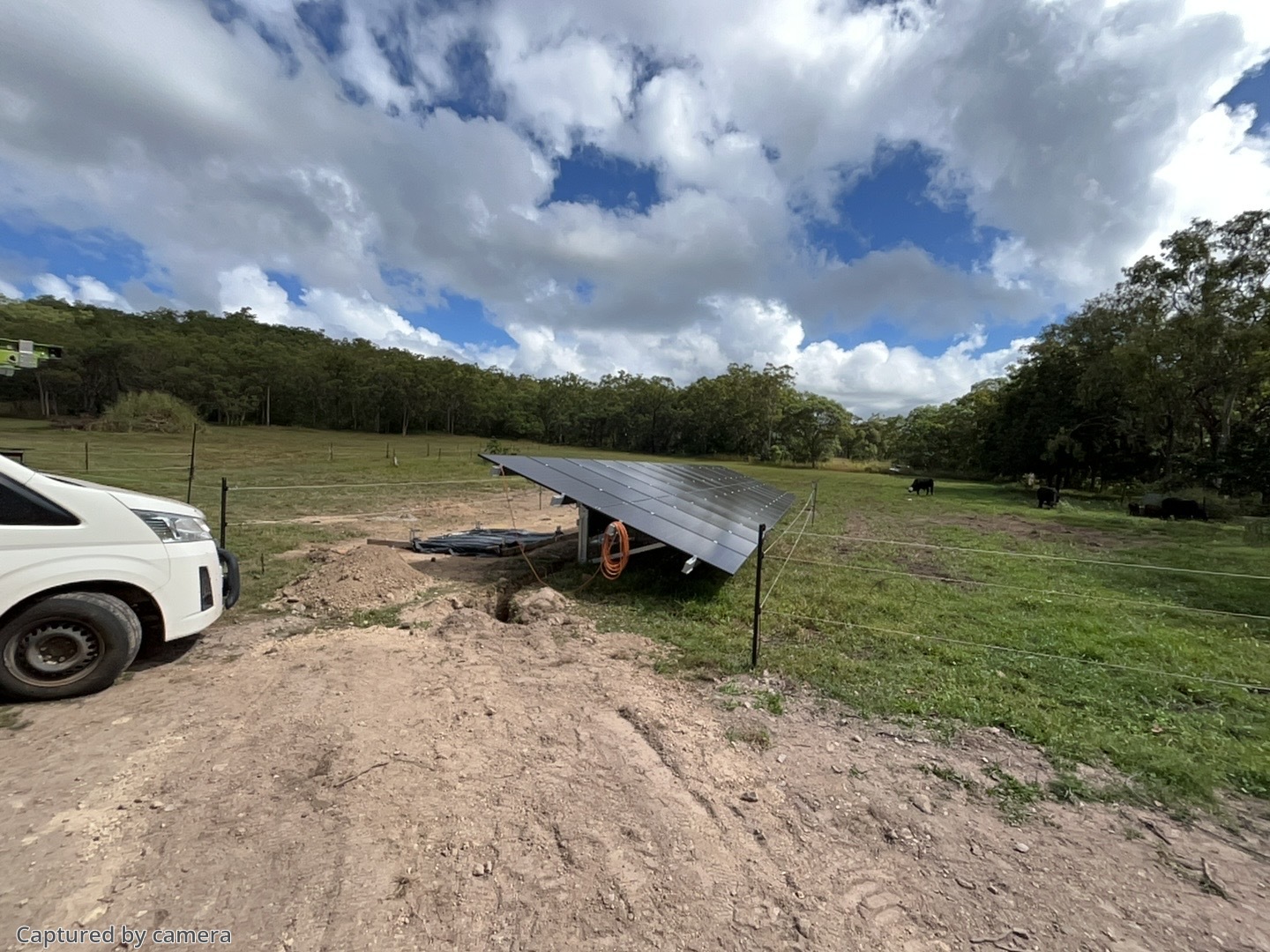
When the mercury climbs, it’s easy to assume your batteries are getting a boost. After all, summer brings long, sunny days, you’d expect that to mean plenty of free energy. But in practice, solar batteries work differently under extreme heat, and not always for the better.
If you’re relying on off-grid solar on a cattle farm or rural property, summer isn’t just about more sunlight. It can mean heavier energy use, less efficient battery behaviour, and storage systems that struggle to keep up. That strain builds fast in agricultural settings where power needs spike right when your gear is sweating under the same sun.
How Temperature Affects Solar Battery Chemistry
Battery performance depends on chemical reactions. Higher temperatures speed those reactions up. That sounds useful, but it often leads to batteries charging too quickly and losing energy just as fast.
In warm conditions, batteries may:
- Discharge faster after being charged
- Take longer to hit full charge in the first place
- Lose overall capacity over time if constant heat wears on the internal parts
This is especially true if your battery sits in a hot shed or is mounted without airflow. Even in shaded spots, Aussie summers can push battery temperatures well past what’s safe. That extra strain shortens lifespan and stability.
Why Hot Days Lead to More Energy Use (and Stress on Your System)
Summer’s not just hotter on your equipment. It’s heavier on power demand too. If your farm shifts into high gear when it gets hot, like running pumps, fans, lighting, or tools for longer periods, batteries are forced to work harder right when they’re weakest.
Warm air also reduces electronics efficiency. Your inverters, chargers, compressors, and controllers might start heating up or shutting down to protect themselves, which means more load on the backup generator or less energy moving around the system.
Even if your solar input is technically strong, batteries that don’t hold or distribute that charge properly end up leaving you stranded well before sundown.
Signs Your Battery is Struggling in the Heat
If your battery’s starting to behave differently when temperatures rise, it’s probably not in your head. Watch for these signs:
- Batteries flatten earlier, especially mid-afternoon
- The inverter throws up warnings or shuts off unexpectedly
- The fan inside the battery or inverter runs constantly
- You notice heat radiating from the enclosure or casing during the day
These are all red flags. You might think the increased discharge is just high usage, but it could be deeper. Heat changes how long that stored energy hangs around.
How to Prevent Heat From Draining Solar Storage
There are a few simple design moves that help keep your system steady come summer. Batteries should always be installed away from direct sunlight, ideally in a shaded or well-ventilated spot. Enclosures with cross-flow airways, or partial underground banks where appropriate, help cushion those temperature spikes.
It’s worth scheduling heavy loads early in the day before the full sun hits. That includes irrigation cycles, machinery work, or any tool-based tasks that chew through stored energy. Keeping airflow clear around the battery housing can prevent dangerous buildup too.
If your system was installed years ago, it might help to look again at where your battery sits and whether it’s actually rated for sustained Australian heat. Some batteries are built to handle higher temperatures without spiralling early. If you’re unsure, it may be time to take advantage of a new battery rebate that could offset the cost of switching to more suitable technology.
What to Check Before Summer Hits Your Farm
Heat isn’t new, but the way you prepare for it can shift each year depending on your setup, how the land’s being managed, and what load you’re expecting.
Before mid-spring rolls through, consider these checks:
- Inspect the thermal settings in your battery management system
- Clean solar panels so they’re drawing as much energy as possible before storage
- Check airflow around sheds where batteries are kept
- Walk around your system to locate anything that might act as a heat trap, like stacked drums, diesel tanks, or tin walls nearby
Better yet, take notes from properties using off-grid solar setups similar to yours. There’s no need to guess at what’s worked. If you're running solar power for farms, heat-adapted systems set the standard for keeping storage strong no matter the season. Regular check-ups and solar maintenance services can go a long way in extending battery life and minimising risk when temperatures peak.
FAQs: Battery Drain in Hot Weather
Q: Why does my solar battery drop faster after midday during summer?
A: Heat can reduce charging efficiency and trigger earlier discharge. At the same time, your energy use usually increases, so you run out quicker.
Q: Will summer heat damage my battery permanently?
A: If your system overheats often, yes. Long-term exposure to high temperatures can shorten battery life. Shading and ventilation help extend its lifespan.
Q: Should I replace my battery if it's losing charge quickly in summer?
A: Not straight away. It may be a placement, cooling, or usage issue rather than a battery fault. Get it checked by someone familiar with off-grid systems.
Q: What’s the safest way to keep solar batteries cool on a farm?
A: Keep them out of the sun, give them room to breathe, and make sure hot equipment like generators isn’t too close.
Keep Your System Cool and Reliable This Summer
Hot weather changes how solar batteries behave. Even if your panels are collecting plenty of energy, your storage can still fall short when demand peaks. Understanding how heat affects every part of the setup helps avoid surprise shutdowns and costly workarounds.
If you’re relying on solar to run a farm, temperature stress is part of the equation. Staying ahead of it doesn’t have to mean reinventing the entire system; it starts with making sure your batteries are kept calm, cool, and ready for the next scorcher.
Chasing cooler battery temps through peak season isn’t a long-term strategy. If your current system struggles to keep pace as temperatures rise, it’s time to think differently about how you manage storage, daily load, and climate stress. At AusPac Solar, we help rural properties across Australia build systems that stay efficient through heat, storms, and shifting demands using solar power for farms that actually deliver when it counts.